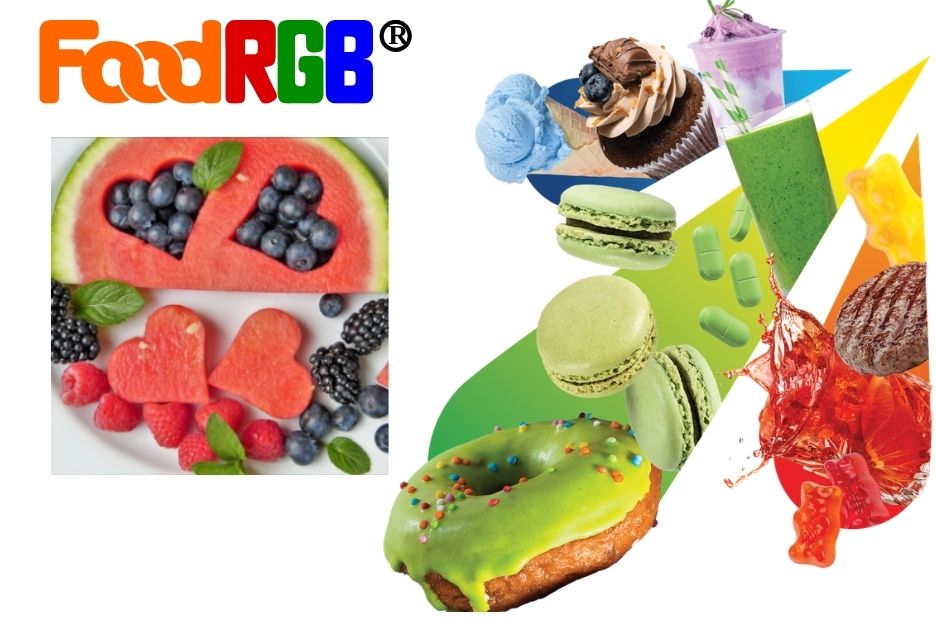
Introduction to Natural Food Colors
In the modern food industry, the demand for natural ingredients continues to rise as consumers prioritize health and wellness. Among these ingredients, natural food colors have become essential for enhancing the visual appeal of various products while avoiding artificial additives. These colors are extracted from natural food color manufacturer plant, mineral, or animal sources, offering a safer and more sustainable alternative to synthetic dyes. As the market grows, the role of a natural food color manufacturer becomes increasingly important in providing high-quality, vibrant, and safe coloring solutions.
Importance of Quality in Food Coloring
Quality is paramount when it comes to food colors, as they must meet stringent safety and regulatory standards. A reliable natural food color manufacturer ensures that their products are free from harmful chemicals, allergens, and contaminants. Moreover, consistency in color Food Color Suppliers shade and stability during processing and storage is critical to maintaining product integrity. High-quality natural colors not only provide visual appeal but also support the overall branding and consumer trust in food products.
Sources of Natural Food Colors
Natural food colors are derived from various sources, each offering unique hues and properties. Common sources include beetroot for red, turmeric for yellow, spirulina for blue, and paprika for orange. These natural pigments often come in powder, liquid, or gel form, allowing versatility in application. Manufacturers carefully select and process these raw materials to preserve their color intensity and nutritional benefits, ensuring that the final products meet both aesthetic and health-conscious demands.
Applications Across the Food Industry
Natural food colors are widely used in diverse food segments such as bakery, confectionery, dairy, beverages, and snacks. They enhance the appearance of cakes, candies, yogurts, juices, and sauces, adding visual interest and appeal. Additionally, these colors are essential in creating thematic and seasonal products, like pastel shades for Easter or vibrant tones for festive celebrations. Food manufacturers increasingly rely on natural food colors to meet consumer preferences for clean-label and minimally processed foods.
Technological Advances in Color Manufacturing
Advancements in technology have greatly improved the extraction, stabilization, and application of natural food colors. Innovative methods such as microencapsulation and nanoemulsion help enhance the color’s stability against heat, light, and pH changes. This progress allows natural colors to compete effectively with synthetic dyes in terms of performance. Moreover, manufacturers are able to customize color solutions to suit specific product requirements, ensuring optimal results across different types of food matrices.
Environmental and Health Benefits
Choosing natural food colors offers several environmental and health advantages. These colors are biodegradable and derived from renewable resources, reducing the ecological footprint of food production. From a health perspective, they tend to contain antioxidant properties and lack the synthetic chemicals linked to adverse reactions. By supporting natural color use, manufacturers contribute to sustainable practices and cater to the growing consumer demand for safer, cleaner food products.
Role of Food Color Suppliers
Food Color Suppliers play a crucial role in the food supply chain by bridging manufacturers and end-users. They ensure a consistent and reliable supply of natural food colors, often providing technical support and guidance on proper usage. Trusted suppliers maintain rigorous quality control and compliance with international food safety standards. Their expertise helps food producers select the right color solutions to achieve desired product aesthetics while meeting regulatory requirements.
Conclusion
In summary, the natural food color manufacturing industry is vital for delivering safe, vibrant, and sustainable coloring solutions to a wide range of food products. As consumer preferences lean towards natural and clean-label ingredients, partnering with established Food Color Suppliers becomes essential for food businesses. Brands like FoodRGB Inc. stand out as leading natural food color manufacturers, offering high-quality colors that bring both beauty and safety to foods, beverages, and desserts worldwide. Their commitment to excellence and accessibility through foodrgb.com ensures reliable and trusted solutions for the global market.