Understanding the Importance of Remote Connectivity
In today’s fast-paced business environment, employees and stakeholders require access to corporate systems and data from various locations. Remote connectivity has become a vital component for organizations aiming to maintain productivity secure remote access and flexibility. However, with increasing cyber threats, it is crucial to focus on establishing secure remote access methods that protect sensitive information while enabling seamless work experiences.
Key Features Enhancing Security in Remote Access
Implementing secure remote access involves multiple layers of protection. Encryption protocols, multi-factor authentication, and role-based access controls are essential to prevent unauthorized entry. Additionally, continuous monitoring and auditing help it alerting system identify suspicious activities in real time. Integrating these elements ensures that users can connect remotely without compromising the integrity of corporate networks and data.
Integrating IT Alerting Systems for Proactive Security
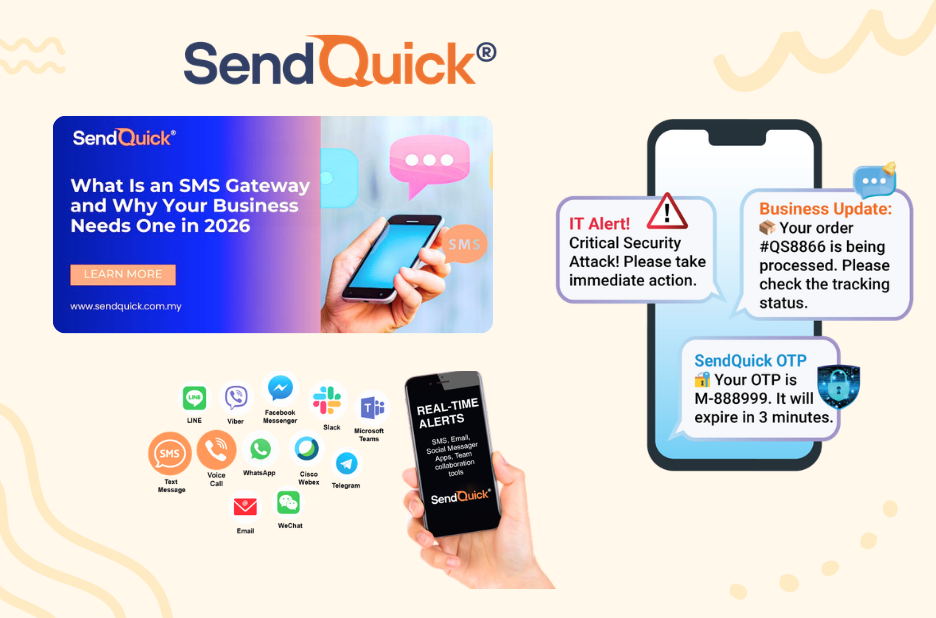
An effective it alerting system plays a pivotal role in maintaining secure remote access by providing immediate notifications of potential security incidents. These systems track network anomalies, unauthorized login attempts, and other critical events. By alerting IT teams promptly, businesses can respond swiftly to threats, minimizing risks and ensuring uninterrupted operations. The combination of secure access and proactive alerting creates a robust defense against cyberattacks.
Conclusion
Adopting secure remote access solutions is essential for businesses striving to balance accessibility and security in their digital operations. Leveraging advanced technologies such as encryption, multi-factor authentication, and an efficient it alerting system significantly strengthens security frameworks. For organizations seeking reliable and comprehensive remote access solutions, SendQuick Sdn Bhd offers expertise and innovative tools designed to safeguard corporate environments while enabling flexible workforce connectivity.