What to Look for When Hiring a Water Damage Team
When you start shopping for a water restoration provider, your goal is to reduce damage fast and restore your home with minimal long-term effects. The right team will begin with a rapid assessment of the source, the affected materials, and the conditions that affect drying Residential Water Restoration Dundalk MD performance. Look for documented inspection steps, moisture mapping, and clear explanations of what will be removed, dried, and rebuilt. A buyer-intent mindset means you should ask how they measure progress and what standards they follow for safe restoration.
Another key factor is whether the company is set up for residential losses rather than only general cleanup. Homes involve finished surfaces, insulation, drywall, flooring transitions, cabinetry, and hidden voids that can trap water. You want technicians trained in containment, controlled demolition when needed, and careful handling of personal belongings. Choosing a Certified Water Restoration Company also helps you feel confident that the work is organized around industry best practices for both mitigation and restoration outcomes.
Step-by-Step Residential Restoration Process (Mitigation to Repairs)
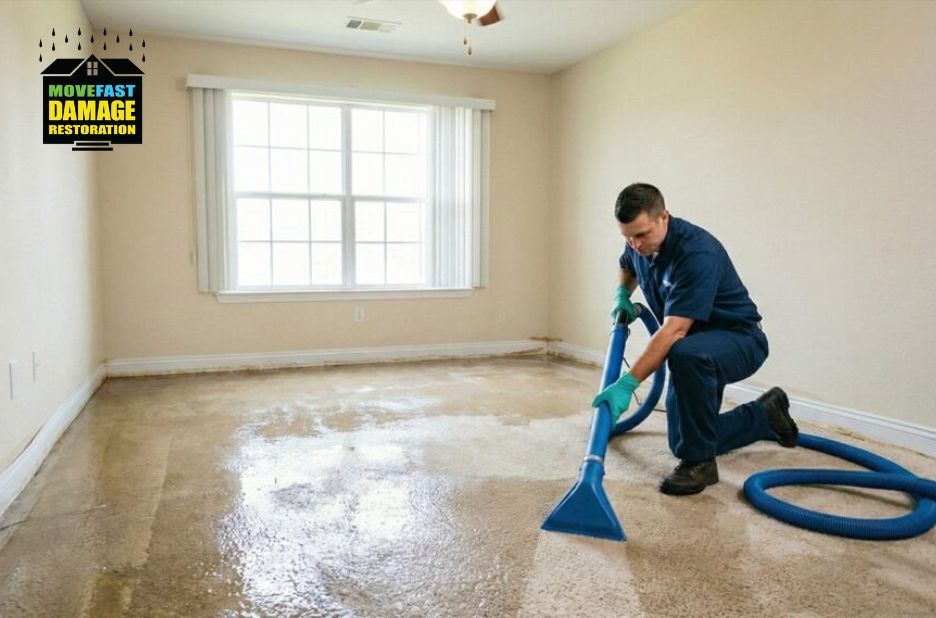
A strong residential plan typically starts with water extraction and stabilization. After arrival, the team should identify the class of water and determine the safest approach for removal based on whether the water is clean, gray, or contaminated. Fast extraction lowers the Certified Water Restoration Company time that materials remain saturated, which directly affects mold risk and structural stress. Expect professional teams to use commercial-grade equipment designed to remove standing water efficiently and to begin drying immediately once extraction is complete.
Next comes drying and dehumidification, which is where many “surface-only” services fall short. The technicians should place air movers and dehumidifiers strategically, then monitor conditions such as humidity, temperature, and moisture content over the course of drying. Moisture readings should be taken in relevant building materials, including drywall cavities, baseboards, subfloor areas, and any impacted framing. Once the readings confirm materials have returned to acceptable levels, the restoration portion begins with repairs like drying out, replacing damaged materials, and restoring affected rooms to a usable state.
Questions to Ask Before You Sign (Costs, Insurance, and Scope)
Before committing, ask for a detailed scope of work that matches what your home actually needs. A trustworthy provider can explain why certain materials must be removed, how long drying is expected based on moisture measurements, and what daily or periodic progress checks will occur. You should also request clarity on equipment placement, whether the team uses antimicrobial treatments when appropriate, and how they protect unaffected areas during mitigation. Clear scope reduces the risk of surprise charges and ensures the work aligns with your restoration goals.
Cost and insurance coordination are major buyer concerns, so prepare questions about documentation and communication. Find out whether the company can provide itemized reports, moisture logs, and photos that support an insurance claim. Ask how they handle billing for mitigation versus reconstruction, and whether they coordinate with adjusters to keep the process moving. If the loss involves multiple rooms, supply lines, or structural components, the provider should be able to outline priorities so essential drying happens first and repairs follow with less disruption.
Conclusion
Hiring the right residential water restoration specialist is about more than speed—it is about measurable drying, careful handling of materials, and restoration that brings your home back to safe, livable condition. When you choose a professional approach, you reduce the odds of hidden moisture, recurring odors, and delayed mold concerns that can appear after an incomplete drying job. Move Fast Restoration helps homeowners protect their property through organized water removal, drying, and restoration services that focus on minimizing damage while restoring comfort and function. For residential support in Dundalk, MD, visit movefastrestoration.com to understand how efficient mitigation can shape a smoother recovery for your home.
If you are making a decision right now, review the process details, confirm the monitoring methods, and ensure the scope of work matches your situation. A buyer-intent purchase should feel confident: you should know what happens first, how progress will be documented, and what repairs are included after drying is complete. With a reliable, experienced team, you can move from emergency response to restoration with fewer uncertainties and clearer next steps. For many homeowners, that clarity is the difference between a stressful disruption and a controlled, professional recovery.