Understanding Pterygium and Its Impact
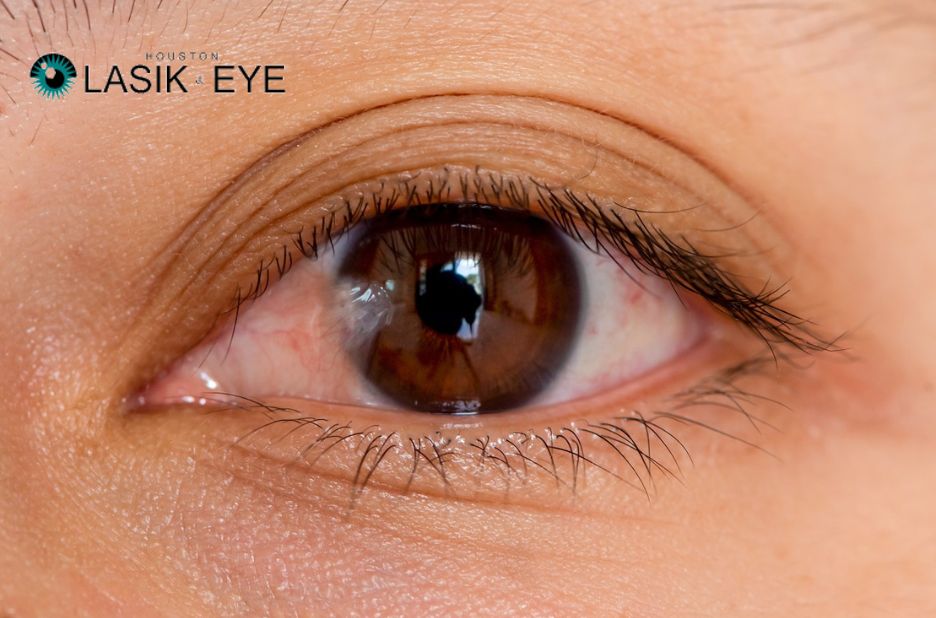
Pterygium is a benign growth of the conjunctiva that extends onto the cornea, often caused by prolonged exposure to UV light, wind, and dust. While it is generally non-cancerous, it can cause discomfort, redness, irritation, and even impair vision Remove pterygium if left untreated. Many individuals living in sunny or dry environments are at higher risk of developing this condition. Early recognition and treatment are essential to prevent complications and maintain eye health.
When to Consider Medical Intervention
Not all pterygium cases require surgery. Mild cases might be managed with lubricating eye drops or anti-inflammatory medications. However, when the growth causes persistent irritation, significant redness, or starts encroaching upon Eye Surgery Pterygium Removal the visual axis, medical intervention becomes necessary. In such scenarios, consultation with an eye care professional can determine if surgical removal is the best course of action.
Preparing for Eye Surgery Pterygium Removal
Before undergoing eye surgery for pterygium removal, patients will typically undergo a thorough eye examination. This includes assessing the size, location, and thickness of the pterygium. Patients may be advised to discontinue certain medications or use specific eye drops to minimize inflammation before surgery. Proper preparation helps ensure the procedure’s success and reduces the risk of complications.
Techniques Used in Surgical Removal
There are several surgical techniques for pterygium removal, including bare sclera excision, conjunctival autografting, and amniotic membrane transplantation. The choice of technique depends on the surgeon’s expertise and the individual’s condition. Modern methods aim to minimize recurrence rates and promote faster healing. These procedures are typically performed on an outpatient basis under local anesthesia.
Postoperative Care and Recovery
Following eye surgery pterygium removal, patients should follow their doctor’s instructions carefully to ensure proper healing. This often includes using prescribed antibiotic and anti-inflammatory eye drops, avoiding strenuous activities, and protecting the eyes from sunlight and dust. Most patients experience improved comfort and vision within a few weeks, though complete recovery may take longer depending on the extent of the surgery.
Risks and Potential Complications
While pterygium removal surgery is generally safe, there are potential risks such as infection, scarring, or recurrence of the growth. Adhering to postoperative guidelines and attending all follow-up appointments can reduce these risks. If a recurrence occurs, additional treatments or surgeries may be necessary to maintain clear vision and eye comfort.
Preventing Future Growth
Prevention is key to minimizing the risk of pterygium recurrence. Wearing UV-protective sunglasses, using hats when outdoors, and avoiding exposure to irritants like wind and dust can help protect the eyes. Regular eye check-ups enable early detection and management of any new growth, preserving long-term eye health.
Conclusion
Living with pterygium can be uncomfortable and affect your quality of life, but effective treatment options are available. At Pterygiumhouston.com, we understand how difficult it can be to live with a pterygium. Our unique approach to care and advanced treatments can help you remove pterygium and get back to living life to the fullest. For those seeking professional and compassionate care, ouston Lasik & Eye offers expert solutions to restore your vision and eye comfort through precise eye surgery pterygium removal techniques.