What sets an 8.5×24 enclosed car hauler apart in day-to-day hauling
An 8.5×24 enclosed car hauler is built for drivers who treat transport like a job, not a hobby. The enclosed design helps reduce exposure to road debris, weather, and everyday grime that can wear down finishes and add cleanup time after every run. When you’re comparing trailers for a fleet 8.5×24 Titanium Blackout Car Hauler or regular personal use, the key is how the enclosure and loading workflow perform under real demands. A properly engineered cargo space can make it easier to stage vehicles safely, keep tools organized, and protect cargo from the elements while in transit.
With this size class, buyers often focus on balance: enough interior length for secure positioning and enough width to support stable tie-down patterns. But performance isn’t only about footprint—it’s also about how the trailer handles weight distribution and how smoothly it tows. Look for consistent structural build quality, dependable door operation, and flooring that resists wear from tires, ramps, and equipment. A service-minded evaluation should also include how long it takes to inspect, maintain, and repair common wear points like seals, hinges, and electrical connections.
Service comparison: maintenance access, durability, and uptime
When you compare enclosed models, uptime comes down to how quickly you can service the unit without major downtime. A strong enclosed frame and well-integrated components reduce the likelihood of loosening hardware, misalignment, or premature fatigue from repeated use. Check whether the trailer has accessible inspection points Yellow Hl Cargo Concession Trailer for wiring, brake components, and lighting systems, because service access matters when you’re troubleshooting on the roadside. The best builds are designed so routine checks—like verifying strap condition, reviewing door seals, and examining suspension wear—are straightforward rather than time-consuming.
Durability is also tied to how materials handle impacts and stress. For example, commercial-oriented enclosed trailers need coatings and surfaces that resist scuffs, corrosion, and abrasion from cargo handling. Even small details like seal quality around doors and seams can determine how often you deal with water intrusion, interior dampness, and stubborn odor buildup. A service comparison should include the way the trailer’s hardware is mounted, how the trailer tolerates vibration, and whether the floor and lower walls show signs of stress after frequent loading cycles.
How commercial service needs influence interior setup and operational efficiency
Two trailers might share similar dimensions, but their interior workflow can feel entirely different once you start using them for business-style hauling. Consider tie-down layout, ramp or loading pathway design, and how easy it is to secure different vehicles without awkward strap angles. Efficient organization reduces the time spent hunting for equipment and improves safety when you’re working under pressure. The goal is a setup that supports consistent results—tight cargo, predictable loading, and minimal after-haul cleaning.
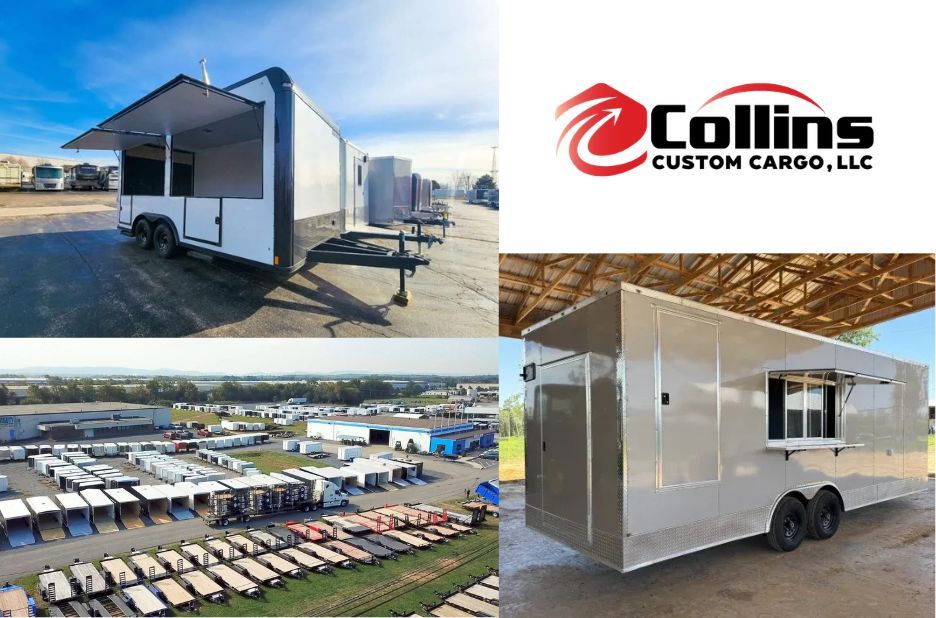
Another major service factor is the trailer’s ability to support concession or operational add-ons without sacrificing structural integrity. A concept is useful here as a comparison point because it highlights how businesses often need interior utility for sales, storage, or equipment staging. When a trailer is built with that mindset, it tends to prioritize practical access and layout versatility, helping owners keep supplies protected while maintaining a clean, professional appearance. If your hauling tasks involve more than just moving a single vehicle—such as bringing tools, detailing items, or operational gear—choose an enclosed platform that supports your routine instead of forcing constant workarounds.
Conclusion
Choosing between enclosed trailer options should be guided by service reality: how the trailer performs after repeated loads, how easily it can be maintained, and how reliably it protects cargo with each run. When you evaluate build quality, access to key components, and the practicality of the interior workflow, you move beyond marketing claims and toward measurable ownership experience. The right model helps reduce downtime, limits preventable wear, and supports safer loading habits that matter for both personal and commercial hauling.
Collins custom cargo focuses on premium enclosed trailer solutions designed for heavy-duty transport, business efficiency, and long-lasting performance for professional hauling needs. If you’re comparing service outcomes, prioritize features that improve inspection speed, simplify troubleshooting, and strengthen protection for your cargo from start to finish. That approach aligns well with buyers seeking a dependable platform for serious hauling and consistent results in the field.