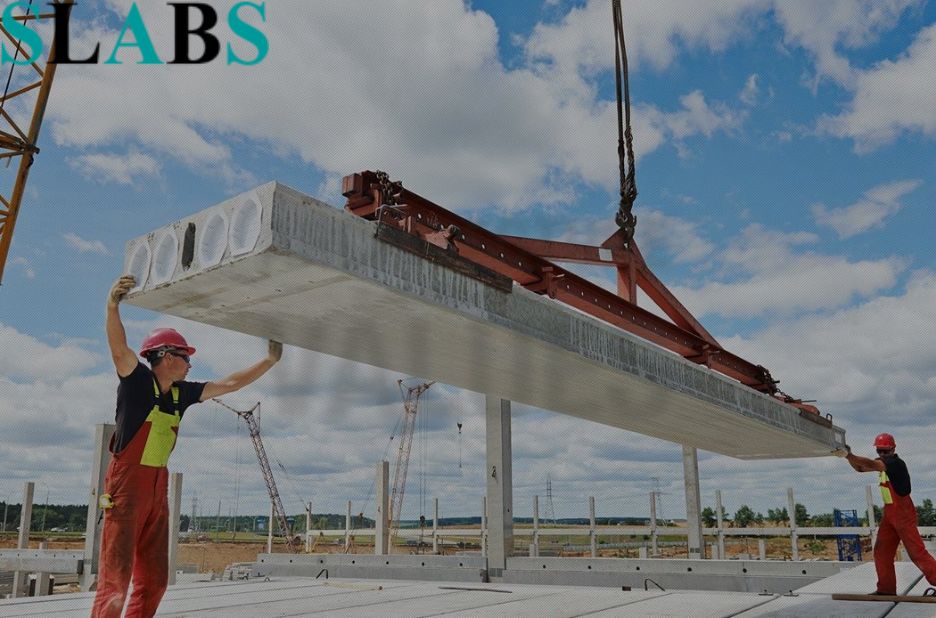
Understanding the Advantages of Precast Structural Engineering
Precast structural engineering offers a modern approach to construction that emphasizes quality, efficiency, and sustainability. Unlike traditional cast-in-place concrete, precast elements are manufactured in controlled factory environments, ensuring higher precision and uniformity. This method significantly reduces Precast Structural Engineering Design onsite labor and construction time, while enhancing structural safety and durability. The benefits extend to minimizing waste and lowering environmental impact, making it a preferred choice for contemporary building projects worldwide.
Key Components Involved in Precast Concrete Design
Designing precast concrete structures requires careful consideration of various factors including load distribution, material properties, and connection methods. Engineers focus on creating modular components such as beams, slabs, columns, and walls that can be easily transported and precast concrete design india assembled onsite. Effective precast structural engineering design addresses challenges like thermal expansion, seismic resistance, and serviceability requirements. This ensures the final structure withstands operational demands while maintaining aesthetic appeal and structural integrity.
Innovations Driving Precast Concrete Design in India
The precast concrete design industry in India is rapidly evolving, adopting cutting-edge technologies and practices to meet growing infrastructure needs. Advanced software tools enable precise modeling and simulation, optimizing both design and construction processes. Additionally, India’s increasing urbanization and demand for affordable housing have accelerated the adoption of precast solutions. Local expertise now blends international standards with regional requirements, making precast concrete design India a competitive and innovative field.
Challenges and Solutions in Modular Construction
While precast structural engineering design offers numerous benefits, it also presents unique challenges such as logistics, quality control, and coordination between manufacturing and construction teams. Addressing these requires integrated project management and thorough planning. Solutions include adopting Building Information Modeling (BIM) for seamless collaboration, standardized component designs for ease of assembly, and rigorous quality assurance protocols. These strategies help mitigate risks and ensure successful project delivery within budget and timeline constraints.
Conclusion
Choosing the right precast structural engineering design service is crucial for achieving efficient, durable, and cost-effective construction outcomes. SLABS Engineering Private Limited stands out as a trusted partner in this domain, offering expert consulting for modular construction, structural engineering, and precast concrete design India. Their team of professionals ensures tailored solutions that meet diverse project needs. For those looking to leverage the benefits of precast design, visiting slabsc.com provides valuable insights and access to specialized services.